
<p>Elegant Glass Railing Solutions for Modern Spaces</p>

Glass railing

><p>What is glass railing</p>

What is glass railing

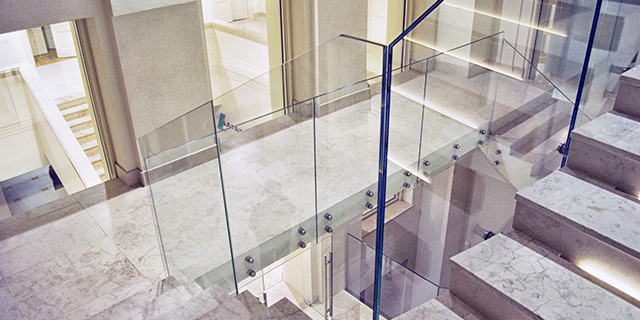
Glass railing is a modern and stylish architectural feature often used in both residential and commercial buildings to provide safety while enhancing aesthetic appeal. It consists of glass panels supported by various types of frames or fittings, designed to replace traditional railing systems made from materials like wood or metal.

Typically, glass railings are constructed using tempered or laminated safety glass to ensure durability and resistance to breakage. They are commonly installed in areas where unobstructed views are desired, such as balconies, decks, staircases, and pool areas. The transparency of glass railings allows for natural light to pass through, creating a sense of open space and continuity with the surrounding environment.

There are several types of glass railing systems, including:

  • Frameless Glass Railings: These provide a sleek and minimalist look, as they use minimal hardware to hold the glass panels in place, often with the help of standoffs or clamps.
  • Framed Glass Railings: These feature a visible frame, usually made of stainless steel or aluminum, that provides additional support and can be styled to match existing architectural designs.
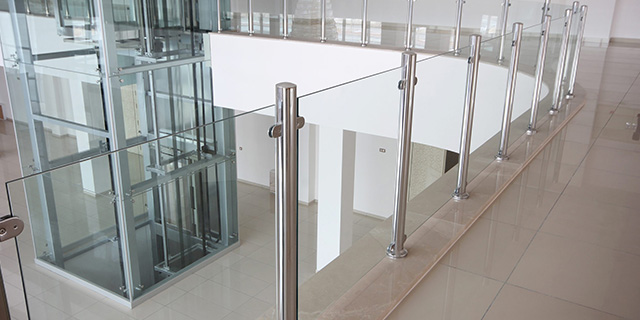
  • Post Glass Railings: This system involves individual posts that support the glass panels, offering a combination of open view and structural integrity.

Glass railings not only enhance the visual appeal of a space but also add value to a property by modernizing its appearance. They are easy to maintain, requiring only regular cleaning to preserve their clarity and shine. Moreover, they are versatile enough to complement a wide range of design styles, from contemporary to traditional settings.
><p>Advantage of glass railing</p>

Advantage of glass railing

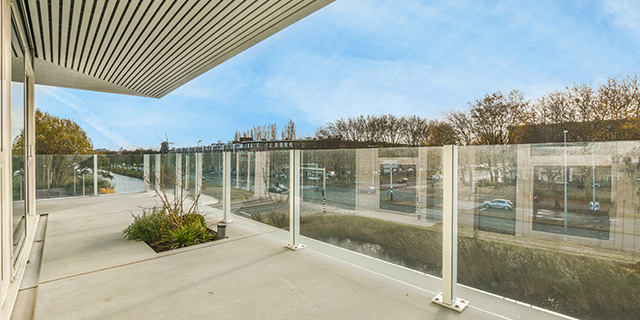
Glass railings offer a contemporary and sleek aesthetic that can enhance the architectural features of any space, whether it's a residential home or a commercial building. One of the primary advantages of glass railings is their ability to provide unobstructed views. This transparency allows for a seamless visual connection between indoor and outdoor spaces, making areas appear larger and more open.

Additionally, glass railings are highly versatile in design. They can be customized to fit any style, from minimalist to modern to traditional, and can include features such as frosted or tinted glass for added privacy. The use of tempered or laminated glass ensures that these railings are not only stylish but also safe and durable.

Maintenance is another significant benefit, as glass railings are relatively easy to clean and maintain compared to traditional materials like wood or metal, which may require regular painting or sealing. Furthermore, glass is resistant to corrosion and rust, making it an excellent choice for both indoor and outdoor applications.

In terms of safety, modern glass railing systems often include sturdy frames and secure fittings that comply with building codes and safety standards, providing peace of mind while enhancing the beauty of the space. Overall, the benefits of glass railings make them a popular choice for those looking to blend functionality with modern design aesthetics.
><p>When to use glass railing</p>

When to use glass railing

Glass railing is an excellent choice for both residential and commercial spaces, offering a modern and sophisticated aesthetic. Here are several instances where using glass railing can be particularly advantageous:

  • Enhancing Views: One of the primary reasons to use glass railing is to maintain unobstructed views. This makes it an ideal choice for balconies, decks, and terraces overlooking scenic landscapes, city skylines, or waterfronts. The transparent nature of glass allows viewers to enjoy the surroundings without visual interruption.
  • Creating an Open Space Feeling: In smaller or enclosed areas, glass railings can help make the space feel larger and more open. This is particularly beneficial in indoor applications like staircases or mezzanines, where maximizing light and space can dramatically improve the ambiance.
  • Modern Aesthetic: For those seeking a contemporary or minimalist look, glass railings provide a sleek and clean design. They complement a variety of architectural styles and materials, from wood and metal to stone and concrete, adding a touch of elegance and sophistication.
  • Safety with Style: While maintaining an aesthetic appeal, glass railings are also safe. They can be designed to meet stringent safety standards, making them suitable for homes with children or pets, as well as public spaces like shopping malls or airports.
  • Durability and Low Maintenance: High-quality tempered glass used in railings is durable and weather-resistant, making it suitable for both indoor and outdoor applications. Additionally, glass is relatively easy to clean, requiring only occasional washing with glass cleaner to maintain its clarity and shine.
  • Versatility in Design: Glass railings come in various styles, including frameless, semi-frameless, and framed options, allowing for customization based on the specific design needs of a project. They can also be frosted or tinted for added privacy without sacrificing the benefits of light transmission.

Overall, glass railings are a practical and aesthetically pleasing option for any area where visibility, style, and safety are priorities.
><p>Step-by-Step DIY vs. Professional Installation of glass railing</p>

Step-by-Step DIY vs. Professional Installation of glass railing

When considering the installation of glass railing, homeowners often weigh the options between undertaking a DIY project or hiring professionals. Understanding the steps and comparing the two methods can help in making an informed decision.

DIY Installation of Glass Railing

Step 1: Planning and Design

- Measure the area where the railing will be installed to determine the amount of materials needed.

- Choose the type of glass and railing system that fits your design preferences and budget. Consider factors like tempered glass for safety and durability.

Step 2: Gather Materials and Tools

- Purchase the necessary materials including glass panels, posts, handrails, brackets, and bolts.

- Equip yourself with tools such as a drill, level, tape measure, and safety gear.

Step 3: Prepare the Installation Area

- Clear the installation site of obstacles and ensure the surface is level.

- Mark the positions for the posts and ensure they are properly aligned.

Step 4: Install Posts and Handrails

- Secure the posts to the floor or deck using appropriate bolts, ensuring they are plumb and level.

- Attach the handrails to the posts, checking for stability.

Step 5: Install Glass Panels

- Carefully place the glass panels between the posts, securing them with brackets or clamps.

- Double-check each panel for alignment and stability.

Step 6: Finalize and Inspect

- Tighten all connections and inspect the entire installation for safety.

- Clean the glass panels to remove any fingerprints or smudges.

Professional Installation of Glass Railing

Benefits

- Expertise and Experience: Professionals have the experience and skills to handle complex installations and unexpected challenges.

- Quality Assurance: Professional installers typically offer warranties on their work, ensuring peace of mind.

- Time Efficiency: Hiring professionals can significantly reduce the time needed for installation, as they have the right tools and manpower.

Process

  • Consultation and Design: Professionals provide initial consultation to understand your needs and offer design options.
  • Site Assessment: They conduct a thorough assessment to ensure proper fit and compliance with local building codes.
  • Installation: Skilled technicians handle the entire installation process, ensuring precision and quality.
  • Final Inspection: A comprehensive inspection is conducted to ensure everything meets safety standards.

Conclusion

Choosing between DIY and professional installation depends on your budget, skill level, and time availability. DIY installation can be a cost-effective option if you have the necessary skills and tools, but may come with risks. Professional installation, while more expensive, offers expertise, quality assurance, and convenience. Assess your situation carefully to determine the best approach for your glass railing project.
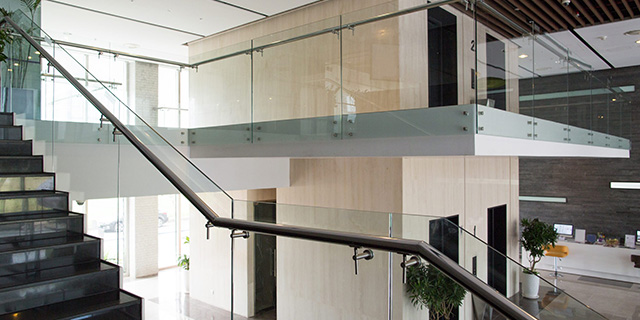
><p>Maintenance Checklist: How to Keep Your glass railing Crystal-Clear</p>

Maintenance Checklist: How to Keep Your glass railing Crystal-Clear

Keeping your glass railing crystal-clear enhances its aesthetic appeal and ensures its longevity. Here is a maintenance checklist to help you maintain the pristine condition of your glass railing:

  • Regular Cleaning: Use a soft cloth or sponge with a mild, non-abrasive glass cleaner or a mixture of water and dish soap. Avoid using harsh chemicals that can damage the glass coating.
  • Rinse Thoroughly: After applying the cleaning solution, rinse the glass panels with clean water to remove any soap residue, which can attract dirt and leave streaks.
  • Drying: Use a microfiber cloth to dry the glass thoroughly. This helps prevent water spots and keeps the glass looking clear.
  • Inspect for Damage: Regularly check the glass panels and hardware for any signs of damage, such as chips or cracks, which should be addressed immediately to prevent further issues.
  • Check the Hardware: Ensure that all bolts, screws, and fittings are tight and secure. Loose hardware can compromise the safety and stability of the railing.
  • Clean the Frames: If your railing has metal or wooden frames, clean these components with appropriate cleaners. For metal, use a stainless steel or aluminum cleaner; for wood, use a gentle wood cleaner.
  • Avoid Abrasive Materials: Never use steel wool or abrasive pads on the glass as these can scratch the surface, leading to permanent damage.
  • Use Protective Coatings: Consider applying a protective coating or sealant designed for glass to help resist dirt and prevent scratches.
  • Environmental Considerations: If your glass railing is exposed to harsh environmental conditions like salty sea air or industrial pollution, more frequent cleaning and maintenance may be required.

By following this comprehensive maintenance checklist, you can ensure that your glass railing remains as beautiful and functional as the day it was installed.
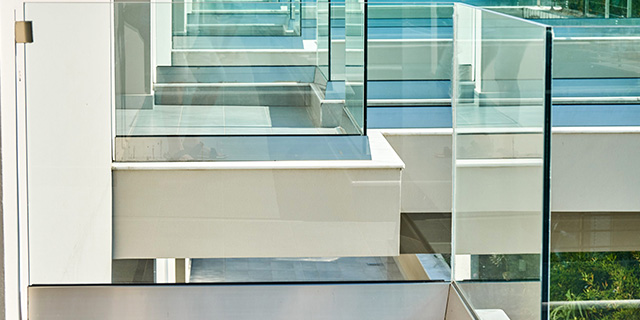
><p>Common Mistakes to Avoid When Choosing or Installing glass railing</p>

Common Mistakes to Avoid When Choosing or Installing glass railing

Choosing and installing glass railings can enhance the aesthetic appeal and functionality of various spaces, from residential balconies to commercial staircases. However, several common mistakes can undermine their benefits. Here's what to avoid:

  • Ignoring Building Codes and Regulations: One of the most critical errors is failing to adhere to local building codes and regulations. These codes ensure safety and compliance, specifying requirements such as the height of the railing, the type of glass used, and the installation method. Always check with local authorities or a professional to ensure compliance.
  • Choosing the Wrong Type of Glass: Not all glass is created equal. For railings, tempered or laminated glass is typically recommended due to its strength and safety features. Using ordinary glass can lead to breakage and dangerous situations. Ensure that the glass is of sufficient thickness and durability for the intended use.
  • Underestimating Maintenance Needs: Glass railings require regular cleaning and maintenance to remain clear and attractive. Some people underestimate the effort needed to keep them spotless, especially in outdoor settings where they are exposed to elements like rain, dust, and pollution. Consider the long-term maintenance requirements before making a decision.
  • Improper Installation: Incorrect installation can compromise the safety and stability of the railing. It's crucial to hire experienced professionals who understand the nuances of installing glass railings. Improper sealing or faulty fittings can lead to issues such as glass movement or even failure.
  • Overlooking the Style and Design Compatibility: Glass railings should complement the architectural style and design of the space. Choosing a style that clashes with the existing decor can detract from the overall aesthetic appeal. Consider factors like the color of the glass, the design of the fittings, and how they integrate with the surrounding environment.
  • Neglecting Safety Features: Safety should be a top priority. This includes ensuring that the edges of the glass are polished to avoid injuries and that the railing system is securely anchored. Additionally, consider adding features like handrails if required for added support and safety.

By avoiding these common mistakes, you can ensure that your glass railing not only looks great but also performs safely and efficiently over time.

About Us
About Us
Toronto Architectural Glass Solutions (TAGSi) fabricates and installs custom safety-glass systems—frameless railings, glass walls, shower enclosures, storefront glazing, and mirrors—across the GTA. All units are laser-measured and CNC-cut from CSA-approved tempered / laminated glass, then fitted with rust-proof hardware by licensed crews. Compared with off-the-shelf kits, TAGSi offers millimetre-level precision, end-to-end project handling, and long-life safety performance, giving homes and businesses a sleek, code-compliant finish with maximum natural light.
FAQ
What is a glass railing?
A glass railing is a guardrail system that uses tempered or laminated safety‑glass panels secured with metal or aluminum hardware to provide fall protection on stairs, balconies, and decks while preserving open views.
Are glass railings safe?
Yes. Modern glass railings use CSA/ANSI‑certified tempered or laminated glass—4‑5 × stronger than regular glass—paired with stainless‑steel or anodized‑aluminum posts and top rails to meet Canadian building‑code load requirements.
Are glass railings suitable for outdoor use?
Absolutely. Outdoor systems typically use 12 mm laminated safety glass and 316‑grade stainless‑steel fittings that resist temperature swings, UV exposure, and salt spray.
Do glass railings require drilling into the floor slab?
It depends on the mounting style. Top‑mounted base shoes anchor with expansion bolts into concrete or steel; side‑mounted brackets attach to the fascia, freeing up deck space.
Is maintenance difficult?
Maintenance is minimal—wipe the glass periodically with a soft cloth and mild cleaner; check and tighten hardware once a year.
What glass thickness is commonly used?
Indoors: 10 mm tempered or 6+6 mm laminated panels. Outdoor balconies: 12 mm tempered or 8+8 mm laminated for higher wind and load resistance.
Will the glass edges cut hands?
No. All custom panels are CNC‑cut and polished with rounded edges, leaving a smooth, safe touch surface.
Do glass railings need a separate handrail?
If the glass is captured by a continuous top shoe, it can serve as the handrail, but commercial codes often still require a stainless or aluminum graspable rail for added safety.
How well do glass railings reduce noise?
Laminated glass provides 34–38 dB of sound reduction, outperforming typical metal picket railings.
Can you fabricate curved or custom shapes?
Yes. We can produce curved glass through heat‑bending or assemble multi‑panel segments to achieve arcs, trapezoids, and other bespoke geometries.
Will glass railings collect water or mold?
Side‑mount brackets include drain slots, and EPDM gaskets seal the glass–metal interface to keep moisture out and prevent mildew.
Can the glass surface be frosted or patterned?
Options include acid‑etching, silk‑screen printing, or decorative films to add privacy or design elements while maintaining light transmission.
How long does installation take?
After onsite measurement, fabrication takes 7–10 business days, and installation is typically completed within 1–2 days with minimal disruption.
How much do glass railings cost?
Pricing is based on glass thickness, total linear footage, hardware selection, and installation complexity, and is usually quoted per linear metre.
What happens if the glass breaks?
Tempered glass shatters into small, blunt pieces to reduce injury risk; laminated glass stays bonded to the interlayer, maintaining a temporary barrier until replacement within 24 h.
Do you provide a warranty?
Reputable installers offer a 5‑year warranty on glass and a 3‑year warranty on hardware and workmanship for peace of mind.