
<p>Glass Railing Clamps: Secure Your Glass Railings with Style</p>

Glass railing clamps
><p>What is glass railing clamps</p>

What is glass railing clamps

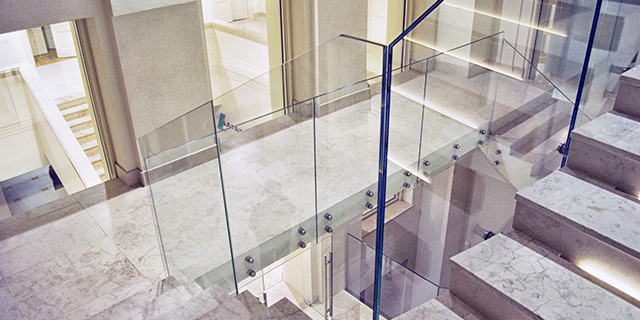
Glass railing clamps are specialized hardware components used to secure glass panels in railing systems. These clamps are essential in both residential and commercial settings, providing a safe and aesthetically pleasing way to install glass railings without the need for traditional frames. Typically made from durable materials such as stainless steel or aluminum, glass railing clamps are designed to hold glass panels securely, ensuring stability and safety.

The primary function of glass railing clamps is to grip the glass panels along their edges, allowing them to be fixed to posts, walls, or other structural elements. This frameless design not only enhances the modern and sleek appearance of the railing system but also maximizes visibility and light passage, making spaces feel more open and connected.

Glass railing clamps come in various shapes and sizes to accommodate different thicknesses of glass and design preferences. They are often adjustable, allowing for precise alignment and leveling during installation. Some clamps are designed with rubberized inserts or pads to prevent direct contact between the metal and glass, reducing the risk of damage or slippage.

In summary, glass railing clamps are an integral part of contemporary architecture, offering both functional and aesthetic benefits by securely fastening glass panels in place while maintaining a minimalist look.
><p>Advantage of glass railing clamps</p>

Advantage of glass railing clamps

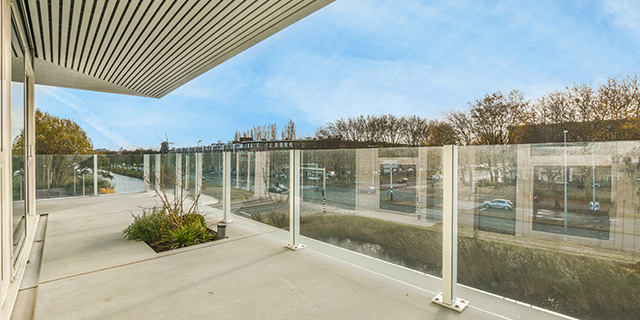
Glass railing clamps offer several advantages that make them a popular choice in modern architecture and interior design. One of the primary benefits is their aesthetic appeal. Glass railing clamps provide a sleek and contemporary look that enhances the overall design of a space, whether it's used in residential, commercial, or public settings.

Another significant advantage is visibility. Glass railing systems with clamps allow for unobstructed views, making them ideal for balconies, terraces, and staircases where maintaining sightlines is important. This feature not only improves the aesthetic value but also enhances safety by allowing clear visibility of surroundings.

Durability is another key advantage. Glass railing clamps are typically made from robust materials such as stainless steel or aluminum, providing a strong and reliable method to secure glass panels. This ensures that the railing system remains sturdy and safe over time, even under heavy use or in harsh weather conditions.

Furthermore, glass railing clamps offer easy maintenance. The materials used are often resistant to corrosion and other environmental damage, and the glass itself can be easily cleaned with standard glass cleaners, maintaining its clarity and elegance with minimal effort.

Finally, glass railing clamps provide design flexibility. They come in various styles and finishes, allowing for customization to match different architectural styles and personal preferences. This adaptability makes them suitable for a wide range of applications, from minimalist modern homes to sophisticated commercial spaces.

><p>When to use glass railing clamps</p>

When to use glass railing clamps

Glass railing clamps are essential components used in the installation of glass railing systems, providing both functionality and aesthetic appeal. Here are some scenarios and considerations for when to use glass railing clamps:

  • Safety and Stability: Glass railing clamps are crucial when you need to ensure the safety and stability of glass panels in a railing system. They securely hold the glass in place, preventing it from wobbling or falling, which is particularly important in areas with high foot traffic or where safety is a primary concern.
  • Aesthetic Design: When the visual appeal of the space is a priority, such as in modern architectural designs or in homes and commercial spaces looking to maintain an open and unobstructed view, glass railing clamps offer a sleek and minimalist solution. They allow for maximum transparency and light flow, enhancing the overall aesthetic of the environment.
  • Versatility and Customization: Glass railing clamps are ideal when you need a versatile solution that can accommodate various glass thicknesses and types. This is particularly useful in customized projects where specific design requirements or constraints must be met.
  • Ease of Installation: For projects requiring quick and straightforward installation, glass railing clamps are beneficial. They simplify the assembly process compared to more complex fastening systems, making them an efficient choice for both professional installers and DIY enthusiasts.
  • Weather Resistance: In outdoor settings, such as balconies, terraces, or garden areas, where exposure to weather elements is a factor, using glass railing clamps made from durable, corrosion-resistant materials like stainless steel or anodized aluminum can ensure long-lasting performance and minimal maintenance.
  • Regulatory Compliance: In regions where building codes and safety regulations specify certain standards for railing systems, using glass railing clamps can help ensure compliance, particularly in terms of strength and safety requirements.

In summary, glass railing clamps are used when you desire a secure, aesthetically pleasing, and versatile solution for installing glass railings, whether the project is indoors or outdoors, residential or commercial.
><p>Step-by-Step DIY vs. Professional Installation of glass railing clamps</p>

Step-by-Step DIY vs. Professional Installation of glass railing clamps

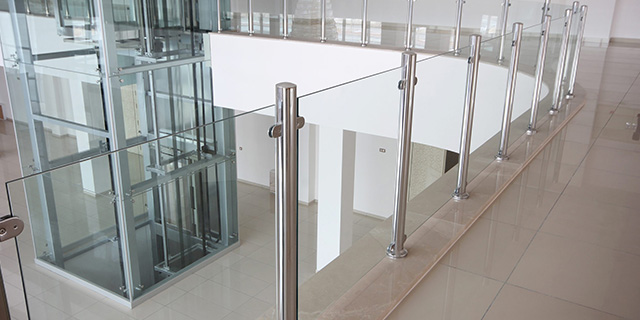
When considering the installation of glass railing clamps, you have two primary options: a DIY approach or hiring a professional installer. Each option has its own set of advantages and challenges.

DIY Installation

1. Planning and Preparation:

- Research: Begin by familiarizing yourself with the types of glass railing clamps available, such as square or round clamps, and decide which best suits your design needs.

- Measurements: Accurately measure the space where the railing will be installed. This includes the length, height, and any angles involved.

- Tools and Materials: Gather necessary tools such as a drill, screwdriver, level, and measuring tape. Ensure you have all materials, including glass panels, clamps, and appropriate fasteners.

2. Installation Process:

- Marking: Mark the positions on the surface where the clamps will be installed.

- Drilling Holes: Carefully drill holes at the marked positions. Use a level to ensure even placement.

- Attaching Clamps: Secure the clamps to the surface with screws or bolts, ensuring they are tightly fixed.

- Setting Glass Panels: Once clamps are attached, carefully insert the glass panels into the clamps. Tighten the clamps to hold the glass securely in place.

- Final Checks: Ensure all components are secure and the railing is stable. Check for alignment and make adjustments if necessary.

Pros of DIY Installation:

- Cost-effective: Saves money on labor costs.

- Flexibility: Allows for a personalized schedule and pace.

Cons of DIY Installation:

- Requires time and effort to research and execute.

- Potential for errors if not executed correctly, posing safety risks.

Professional Installation

1. Hiring a Professional:

- Research Installers: Look for reputable companies or contractors with experience in glass railing installations.

- Consultation and Quote: Arrange consultations to discuss your project needs and obtain quotes. Professionals can offer insights into design and material options.

2. Installation Process:

- Site Assessment: Professionals will assess the site to ensure it meets safety and design requirements.

- Precision Installation: Experienced installers will handle all aspects of the installation, ensuring precision and adherence to safety standards.

Pros of Professional Installation:

- Expertise and Experience: Ensures a high-quality, safe installation.

- Time-saving: Professionals can complete the installation more quickly.

Cons of Professional Installation:

- Higher cost due to labor fees.

- Less control over the timeline and process details.

Conclusion

Choosing between DIY and professional installation depends on your budget, time, and confidence in handling the project. A DIY approach can be fulfilling for those with the necessary skills and time, while professional installation offers peace of mind with guaranteed quality and safety.
><p>Maintenance Checklist: How to Keep Your glass railing clamps Crystal-Clear</p>

Maintenance Checklist: How to Keep Your glass railing clamps Crystal-Clear

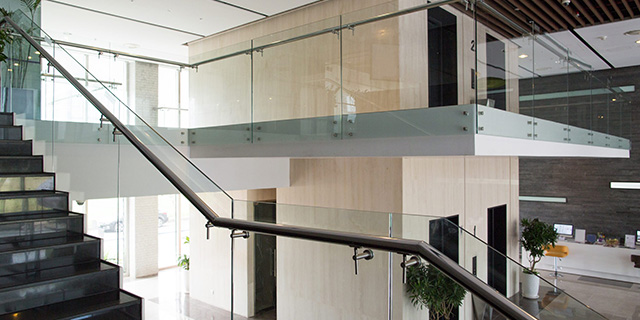
To ensure your glass railing clamps remain crystal-clear and perform effectively, regular maintenance is essential. Here’s a comprehensive checklist to guide you:

  • Regular Cleaning: Use a mild detergent mixed with warm water to clean the glass and clamps. Avoid abrasive cleaners that might scratch the surface. A soft cloth or sponge should suffice for wiping.
  • Inspect for Damage: Periodically check the clamps for any signs of wear or damage. Look for cracks, corrosion, or any signs of loosening that may affect their ability to hold the glass securely.
  • Tighten Clamps: Over time, clamps may become loose due to vibration or environmental factors. Use the appropriate tools to tighten any loose screws or bolts to ensure the glass panels are firmly held in place.
  • Check for Rust: Stainless steel clamps are resistant to rust, but it can still occur in harsh environments. If you notice rust, clean it off with a non-abrasive cleaner and consider applying a protective coating.
  • Lubricate Moving Parts: If your clamps have any moving components, ensure they are well-lubricated to prevent squeaking and facilitate smooth operation.
  • Weatherproofing: For outdoor glass railings, it’s important to apply a weatherproof sealant to protect against moisture and UV damage. This can extend the life of both the clamps and the glass.
  • Check Alignment: Ensure that the glass panels are properly aligned and the clamps are evenly spaced. Misalignment can lead to stress on the glass, increasing the risk of breakage.
  • Professional Inspection: Consider having a professional inspect your glass railing system annually. They can provide insights into any potential issues that might not be visible to the untrained eye.

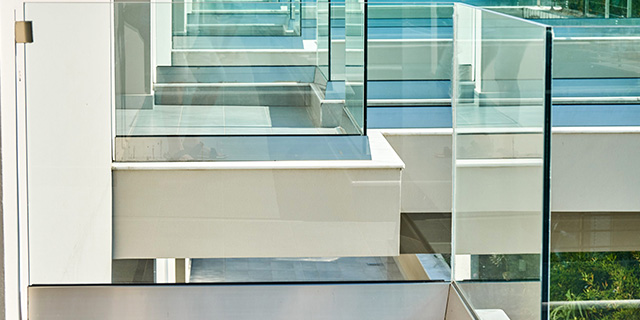
By following this maintenance checklist, you can keep your glass railing clamps in pristine condition, enhancing both the aesthetic appeal and safety of your railing system.
><p>Common Mistakes to Avoid When Choosing or Installing glass railing clamps</p>

Common Mistakes to Avoid When Choosing or Installing glass railing clamps

Choosing the right glass railing clamps is crucial for both safety and aesthetics in any glass railing system. Here are some common mistakes to avoid:

  • Ignoring Material Compatibility: One of the most common mistakes is not considering the material compatibility between the glass and the clamps. Ensure that the clamps are made from rust-resistant materials like stainless steel or aluminum, especially if used in outdoor or humid environments.
  • Incorrect Clamp Size: Selecting the wrong size of clamps can compromise the stability of the railing. Measure the thickness of the glass accurately and choose clamps that match these specifications. Using undersized or oversized clamps can lead to loosening over time.
  • Overlooking Load Capacity: Not all clamps are designed to hold the same weight. It’s essential to check the load-bearing capacity of the clamps to ensure they can support the glass panels safely, especially in high-traffic areas.
  • Improper Installation: Mistakes during installation, such as not aligning the clamps properly or using the wrong type of fasteners, can lead to structural failures. Always follow the manufacturer's guidelines for installation, and consider hiring professionals if you lack experience.
  • Neglecting Aesthetic Considerations: Clamps come in various designs and finishes. Failing to match the clamp style with the overall design of the railing system can detract from the visual appeal. Choose clamps that complement the architectural style of the space.
  • Forgetting Regular Maintenance: Once installed, glass railing clamps require regular maintenance to ensure longevity. Neglecting to clean or inspect the clamps periodically can result in corrosion or weakening of the fixture.

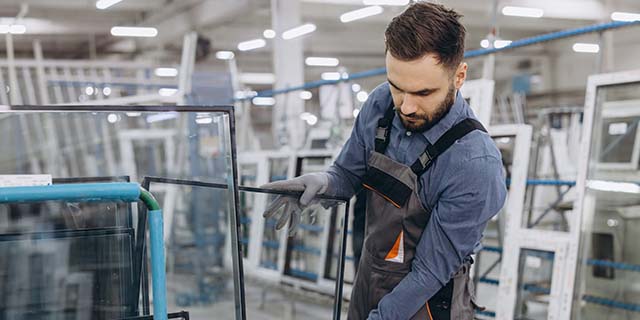
By being mindful of these common mistakes, you can ensure that your glass railing system is both safe and visually pleasing.
About Us
About Us
Toronto Architectural Glass Solutions (TAGSi) fabricates and installs custom safety-glass systems—frameless railings, glass walls, shower enclosures, storefront glazing, and mirrors—across the GTA. All units are laser-measured and CNC-cut from CSA-approved tempered / laminated glass, then fitted with rust-proof hardware by licensed crews. Compared with off-the-shelf kits, TAGSi offers millimetre-level precision, end-to-end project handling, and long-life safety performance, giving homes and businesses a sleek, code-compliant finish with maximum natural light.
FAQ
What is a glass railing?
A glass railing is a guardrail system that uses tempered or laminated safety‑glass panels secured with metal or aluminum hardware to provide fall protection on stairs, balconies, and decks while preserving open views.
Are glass railings safe?
Yes. Modern glass railings use CSA/ANSI‑certified tempered or laminated glass—4‑5 × stronger than regular glass—paired with stainless‑steel or anodized‑aluminum posts and top rails to meet Canadian building‑code load requirements.
Are glass railings suitable for outdoor use?
Absolutely. Outdoor systems typically use 12 mm laminated safety glass and 316‑grade stainless‑steel fittings that resist temperature swings, UV exposure, and salt spray.
Do glass railings require drilling into the floor slab?
It depends on the mounting style. Top‑mounted base shoes anchor with expansion bolts into concrete or steel; side‑mounted brackets attach to the fascia, freeing up deck space.
Is maintenance difficult?
Maintenance is minimal—wipe the glass periodically with a soft cloth and mild cleaner; check and tighten hardware once a year.
What glass thickness is commonly used?
Indoors: 10 mm tempered or 6+6 mm laminated panels. Outdoor balconies: 12 mm tempered or 8+8 mm laminated for higher wind and load resistance.
Will the glass edges cut hands?
No. All custom panels are CNC‑cut and polished with rounded edges, leaving a smooth, safe touch surface.
Do glass railings need a separate handrail?
If the glass is captured by a continuous top shoe, it can serve as the handrail, but commercial codes often still require a stainless or aluminum graspable rail for added safety.
How well do glass railings reduce noise?
Laminated glass provides 34–38 dB of sound reduction, outperforming typical metal picket railings.
Can you fabricate curved or custom shapes?
Yes. We can produce curved glass through heat‑bending or assemble multi‑panel segments to achieve arcs, trapezoids, and other bespoke geometries.
Will glass railings collect water or mold?
Side‑mount brackets include drain slots, and EPDM gaskets seal the glass–metal interface to keep moisture out and prevent mildew.
Can the glass surface be frosted or patterned?
Options include acid‑etching, silk‑screen printing, or decorative films to add privacy or design elements while maintaining light transmission.
How long does installation take?
After onsite measurement, fabrication takes 7–10 business days, and installation is typically completed within 1–2 days with minimal disruption.
How much do glass railings cost?
Pricing is based on glass thickness, total linear footage, hardware selection, and installation complexity, and is usually quoted per linear metre.
What happens if the glass breaks?
Tempered glass shatters into small, blunt pieces to reduce injury risk; laminated glass stays bonded to the interlayer, maintaining a temporary barrier until replacement within 24 h.
Do you provide a warranty?
Reputable installers offer a 5‑year warranty on glass and a 3‑year warranty on hardware and workmanship for peace of mind.