
<p>Comprehensive Guide to Understanding Glass Railing Detail</p>

Glass railing detail
><p>What is glass railing detail</p>

What is glass railing detail

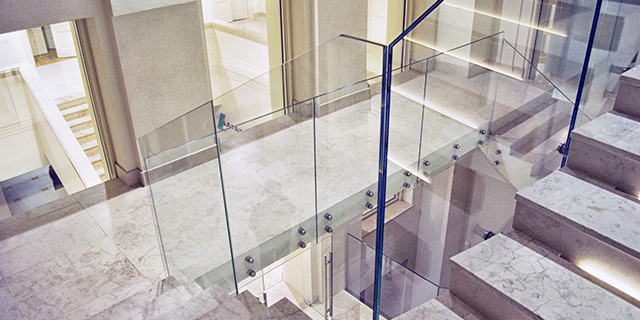
Glass railing detail refers to the specific design elements and construction aspects involved in the installation of glass railings, which are commonly used in both residential and commercial settings for staircases, balconies, decks, and terraces. These details ensure the railing system is not only aesthetically pleasing but also safe and structurally sound.

Components of Glass Railing Detail

  • Glass Panels: Typically made from tempered or laminated glass, these panels provide the main transparent barrier. Thickness can vary, commonly ranging from 10mm to 19mm, depending on safety requirements and load-bearing specifications.
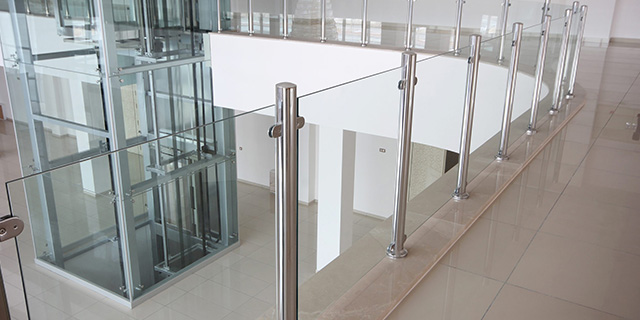
  • Support System: This includes posts, clamps, or channels that hold the glass panels in place. The support system can be made from various materials, including stainless steel, aluminum, or powder-coated metals, which are chosen for their durability and corrosion resistance.
  • Handrails: Although some glass railing systems are frameless, others incorporate handrails for additional support and safety. Handrails can be top-mounted or side-mounted and are often made from metal, wood, or glass.
  • Mounting Hardware: This includes bolts, screws, and brackets that secure the railing system to the floor or walls. Proper installation requires precision to ensure stability and safety.

Design Considerations

- Aesthetic Appeal: Glass railings offer a sleek, modern look that maximizes visibility and light, making spaces appear larger and more open.

- Safety Standards: Compliance with local building codes and standards is crucial. This includes ensuring the glass is properly rated for impact resistance and that the height of the railing meets safety requirements.

- Maintenance Needs: Glass railings are relatively easy to maintain, requiring regular cleaning to remove fingerprints and water spots to maintain their transparency and visual appeal.

Applications

Glass railing details are widely used in modern architecture due to their versatility and ability to blend with various design styles. They are popular in locations where uninterrupted views are desirable, such as oceanfront properties, high-rise balconies, and interior spaces requiring open sightlines.

Understanding the intricacies of glass railing detail is essential for architects, builders, and homeowners who wish to incorporate this elegant and functional element into their designs.
><p>Advantage of glass railing detail</p>

Advantage of glass railing detail

Glass railing details offer several advantages that make them a popular choice for both residential and commercial properties.

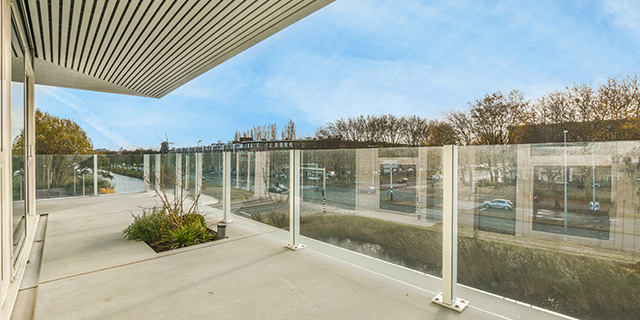
  • Aesthetic Appeal: Glass railings provide a sleek, modern look that can enhance the aesthetic appeal of any space. Their transparency allows for unobstructed views, which can make areas feel more open and connected to the surrounding environment. This feature is particularly beneficial in settings with scenic views, such as balconies or terraces.
  • Safety and Durability: Despite their delicate appearance, glass railings are crafted from toughened or laminated glass, making them strong and durable. They meet stringent safety standards and can withstand significant force, providing a safe barrier without compromising on style.
  • Low Maintenance: Glass railing systems are relatively easy to maintain. They do not corrode or rust like metal railings, and cleaning typically involves simple washing with soap and water. This makes them an ideal choice for outdoor applications where exposure to the elements could lead to deterioration in other materials.
  • Versatility: Glass railings are highly versatile and can be integrated into various design styles, from contemporary to traditional. They can be combined with different materials like wood or metal to create unique looks that suit any architectural style.
  • Enhanced Light Flow: By using glass railings, you can maximize natural light flow within a space. This can make interiors brighter and more welcoming, potentially reducing the need for artificial lighting during the day.

Overall, the detailed design and implementation of glass railings can significantly contribute to both the functionality and aesthetics of a space, making them a favored choice among architects and designers.
><p>When to use glass railing detail</p>

When to use glass railing detail

Glass railing details are an essential architectural feature that should be considered when both aesthetic appeal and functionality are desired in a building's design. These details are particularly useful in the following scenarios:

  • Modern Architectural Designs: Glass railings are often used in modern and contemporary buildings due to their sleek and minimalist appearance. They enhance the overall design by providing a clean look that complements modern aesthetics.
  • Maximizing Views: One of the primary reasons to use glass railing details is to maximize visibility and light transmission. They are ideal for settings where maintaining an unobstructed view is essential, such as balconies, terraces, or decks overlooking scenic landscapes.
  • Safety and Durability: Despite their delicate appearance, glass railings are made from toughened or laminated glass, providing a high level of safety. The details of the glass railing—including the type of glass, thickness, and support systems—ensure both safety and compliance with building codes.
  • Indoor Use: Glass railings are not limited to outdoor use. They are also employed indoors in spaces such as staircases and atriums to create an open and airy feeling, while still providing a safety barrier.
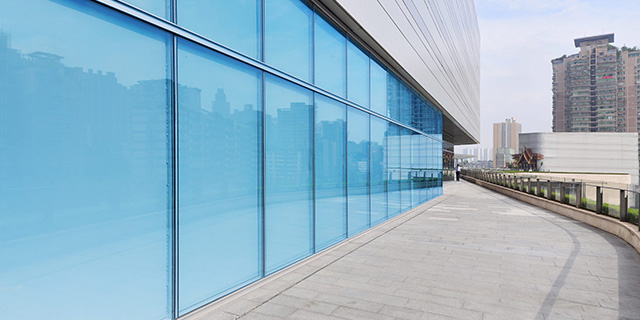
  • Commercial Spaces: In commercial buildings, glass railings are used to create a professional and open atmosphere. They are often seen in shopping malls, airports, and office buildings where transparency and elegance are desired.
  • Illusion of Space: For smaller spaces, glass railing details help create the illusion of more space. The transparency of glass prevents barriers and allows light to flow freely, making areas appear larger and more inviting.

In conclusion, glass railing details are versatile and can be adapted to various design needs, making them an excellent choice for both residential and commercial projects where style, safety, and function are key considerations.
><p>Step-by-Step DIY vs. Professional Installation of glass railing detail</p>

Step-by-Step DIY vs. Professional Installation of glass railing detail

When deciding between a DIY approach and hiring professionals for the installation of glass railing details, several factors should be considered to ensure a safe, aesthetically pleasing, and cost-effective outcome.

DIY Installation:

Pros:

  • Cost Savings: DIY installation can be significantly cheaper as it eliminates labor costs.
  • Personal Satisfaction: Completing a project yourself can be very rewarding and allows for a sense of personal achievement.
  • Flexibility: You can work at your own pace, scheduling the project around your personal timetable.

Cons:

  • Skill Level Required: Installing glass railings requires precision and understanding of construction principles. Mistakes can be costly and potentially dangerous.
  • Time-Consuming: Without professional experience, the project can take longer than hiring professionals.
  • Limited Tools and Equipment: You may need to purchase or rent specialized tools that can add to the cost.

Steps for DIY Installation:

  • Planning: Measure the area and determine the design and type of glass railing suitable for your space.
  • Purchasing Materials: Acquire all necessary materials, including glass panels, railing posts, brackets, and screws.
  • Preparation: Ensure the installation site is clean and ready for installation. Mark the positions for posts and brackets.
  • Installation: Begin by installing the posts securely, ensuring they are level and aligned. Proceed to attach the glass panels carefully, making sure all components are securely fastened.
  • Finishing Touches: Inspect the installation for stability and make any necessary adjustments to ensure safety and aesthetic alignment.

Professional Installation:

Pros:

  • Expertise and Experience: Professionals bring specialized skills and experience, reducing the risk of errors.
  • Time Efficiency: The project is likely to be completed faster with a professional team.
  • Warranty and Support: Many professional services offer warranties on their work, providing peace of mind.

Cons:

  • Higher Costs: Professional installation can be more expensive due to labor charges.
  • Less Control: You may have less hands-on involvement in the project.

Choosing a Professional:

- Research: Look for companies with good reviews and proven expertise in glass railing installations.

- Consultation: Engage with the professionals to discuss your needs, get estimates, and understand their approach.

- Agreement: Ensure all details are agreed upon in writing, including costs, timelines, and scope of work.

In conclusion, the choice between DIY and professional installation of glass railing details depends largely on your budget, time constraints, and personal skill level. Each option has its own set of advantages and challenges, and making an informed decision will help achieve the best results for your space.
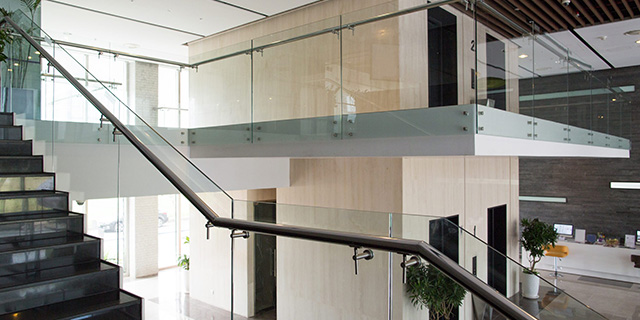
><p>Maintenance Checklist: How to Keep Your glass railing detail Crystal-Clear</p>

Maintenance Checklist: How to Keep Your glass railing detail Crystal-Clear

Maintaining the clarity and shine of your glass railing not only enhances its aesthetic appeal but also ensures safety and longevity. Here’s a comprehensive maintenance checklist to keep your glass railing detail crystal-clear:

  • Regular Cleaning:

- Use a mixture of warm water and a few drops of mild dish soap to clean the glass surfaces. Avoid harsh chemicals that can damage the glass.

- Use a soft microfiber cloth or a non-abrasive sponge to gently wipe the glass, preventing scratches.

- Rinse thoroughly with clean water to remove soap residue and avoid streaks.

  • Drying:

- After cleaning, use a dry microfiber cloth to wipe down the glass. This helps in preventing water spots and streaks.

  • Inspect for Damage:

- Regularly check the glass panels and frames for any signs of cracks, chips, or loose fittings. Early detection can prevent further damage.

- Ensure that all mounting hardware is secure and showing no signs of rust or wear.

  • Polishing:

- Apply a glass polish solution occasionally to maintain the shine of the glass. Follow the manufacturer’s instructions for best results.

  • Environmental Considerations:

- Frequently clean areas exposed to extreme weather conditions, as rain, snow, and sun can affect the clarity and integrity of the glass.

- If living near the sea, be mindful of salt deposits on the glass and clean more frequently.

  • Preventive Measures:

- Install protective coatings that can help repel water and dirt, reducing cleaning frequency.

- Use railings covers or shades if possible to protect from direct sunlight and minimize UV damage.

By following this checklist, you can ensure that your glass railing remains clear and pristine, providing a modern and sophisticated look to your space while ensuring safety and durability.
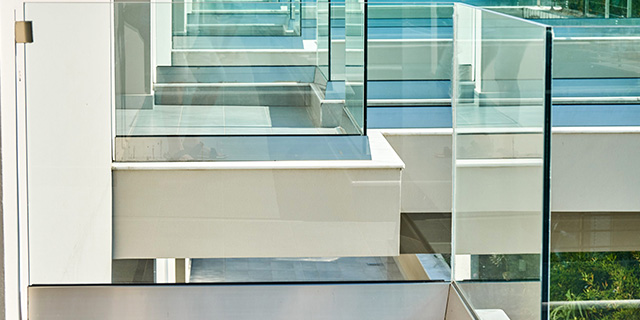
><p>Common Mistakes to Avoid When Choosing or Installing glass railing detail</p>

Common Mistakes to Avoid When Choosing or Installing glass railing detail

When it comes to choosing or installing glass railing details, there are several common mistakes that can compromise both the aesthetic and safety aspects of the installation. Understanding these pitfalls can help ensure a successful project:

  • Ignoring Building Codes and Regulations: One of the most critical mistakes is failing to adhere to local building codes and regulations. These codes dictate the minimum safety standards for railings, including height and strength requirements. Always check these regulations before proceeding with any installation.
  • Selecting the Wrong Glass Type: Not all glass is suitable for railing systems. It's essential to use tempered or laminated safety glass, which is designed to withstand impact and resist shattering. Using regular glass can lead to dangerous breakages.
  • Inadequate Structural Support: Glass railings need a robust support system. Failing to install adequate support can result in the railing becoming unstable. Ensure that the posts, handrails, and anchoring systems are designed to handle the weight and stresses of the glass panels.
  • Overlooking the Environment: Environmental factors such as wind load, temperature fluctuations, and UV exposure can affect the integrity of a glass railing system. Consider these factors when selecting materials and design features to ensure longevity and performance.
  • Poor Installation Techniques: Even with high-quality materials, poor installation can lead to failures. Ensure that installers are experienced and follow manufacturer guidelines precisely. Improper alignment, inadequate fastening, or incorrect spacing can all lead to structural weaknesses.
  • Neglecting Maintenance Needs: Glass railings require regular maintenance to remain in good condition. Failing to clean and inspect the railings periodically can lead to the accumulation of dirt or corrosion in metal components, diminishing both appearance and safety.
  • Compromising on Aesthetics for Cost: While budget constraints are a reality, compromising on the design or quality of materials to save costs can lead to dissatisfaction and additional expenses in the long run. Invest in quality materials and design to ensure both safety and visual appeal.

By avoiding these common mistakes, you can ensure that your glass railing detail is not only beautiful but also safe and durable.

About Us
About Us
Toronto Architectural Glass Solutions (TAGSi) fabricates and installs custom safety-glass systems—frameless railings, glass walls, shower enclosures, storefront glazing, and mirrors—across the GTA. All units are laser-measured and CNC-cut from CSA-approved tempered / laminated glass, then fitted with rust-proof hardware by licensed crews. Compared with off-the-shelf kits, TAGSi offers millimetre-level precision, end-to-end project handling, and long-life safety performance, giving homes and businesses a sleek, code-compliant finish with maximum natural light.
FAQ
What is a glass railing?
A glass railing is a guardrail system that uses tempered or laminated safety‑glass panels secured with metal or aluminum hardware to provide fall protection on stairs, balconies, and decks while preserving open views.
Are glass railings safe?
Yes. Modern glass railings use CSA/ANSI‑certified tempered or laminated glass—4‑5 × stronger than regular glass—paired with stainless‑steel or anodized‑aluminum posts and top rails to meet Canadian building‑code load requirements.
Are glass railings suitable for outdoor use?
Absolutely. Outdoor systems typically use 12 mm laminated safety glass and 316‑grade stainless‑steel fittings that resist temperature swings, UV exposure, and salt spray.
Do glass railings require drilling into the floor slab?
It depends on the mounting style. Top‑mounted base shoes anchor with expansion bolts into concrete or steel; side‑mounted brackets attach to the fascia, freeing up deck space.
Is maintenance difficult?
Maintenance is minimal—wipe the glass periodically with a soft cloth and mild cleaner; check and tighten hardware once a year.
What glass thickness is commonly used?
Indoors: 10 mm tempered or 6+6 mm laminated panels. Outdoor balconies: 12 mm tempered or 8+8 mm laminated for higher wind and load resistance.
Will the glass edges cut hands?
No. All custom panels are CNC‑cut and polished with rounded edges, leaving a smooth, safe touch surface.
Do glass railings need a separate handrail?
If the glass is captured by a continuous top shoe, it can serve as the handrail, but commercial codes often still require a stainless or aluminum graspable rail for added safety.
How well do glass railings reduce noise?
Laminated glass provides 34–38 dB of sound reduction, outperforming typical metal picket railings.
Can you fabricate curved or custom shapes?
Yes. We can produce curved glass through heat‑bending or assemble multi‑panel segments to achieve arcs, trapezoids, and other bespoke geometries.
Will glass railings collect water or mold?
Side‑mount brackets include drain slots, and EPDM gaskets seal the glass–metal interface to keep moisture out and prevent mildew.
Can the glass surface be frosted or patterned?
Options include acid‑etching, silk‑screen printing, or decorative films to add privacy or design elements while maintaining light transmission.
How long does installation take?
After onsite measurement, fabrication takes 7–10 business days, and installation is typically completed within 1–2 days with minimal disruption.
How much do glass railings cost?
Pricing is based on glass thickness, total linear footage, hardware selection, and installation complexity, and is usually quoted per linear metre.
What happens if the glass breaks?
Tempered glass shatters into small, blunt pieces to reduce injury risk; laminated glass stays bonded to the interlayer, maintaining a temporary barrier until replacement within 24 h.
Do you provide a warranty?
Reputable installers offer a 5‑year warranty on glass and a 3‑year warranty on hardware and workmanship for peace of mind.