
<p>Residential Glass Railing Systems: Elegant Safety Solutions</p>

Residential glass railing systems
><p>What is residential glass railing systems</p>

What is residential glass railing systems

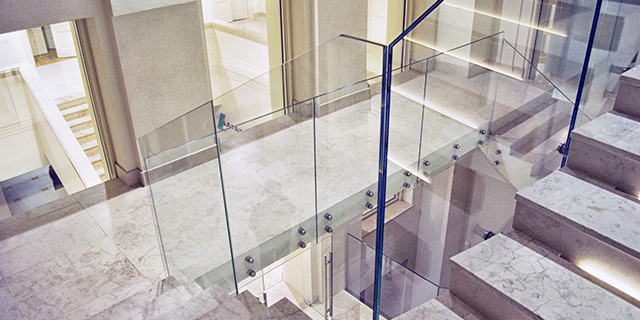
Residential glass railing systems are architectural elements used in homes to provide safety and aesthetic appeal in areas such as balconies, staircases, decks, and terraces. These systems are composed primarily of glass panels supported by various types of frameworks, including stainless steel, aluminum, or wood, to ensure stability and safety.

Glass railing systems are popular in residential settings due to their modern look and ability to create an open, airy feel. They maximize the view and allow natural light to flow through spaces, making them especially desirable in homes with scenic views or where maintaining an unobstructed visual connection between indoor and outdoor spaces is important.

There are several types of residential glass railing systems, including:

  • Frameless Glass Railings: These systems use minimal hardware to hold the glass panels in place, often using just base shoes or clamps, providing a seamless and unobstructed view.
  • Framed Glass Railings: These include a more visible frame structure, often made of metal or wood, which encapsulates the glass panels, offering added durability and a different aesthetic.
  • Cable or Post Glass Railings: These systems incorporate vertical or horizontal posts or cables alongside the glass, blending different materials for a unique design.

In terms of safety, residential glass railing systems must comply with local building codes and regulations, which dictate specifications such as height, strength, and type of glass used (typically tempered or laminated for safety).

Overall, residential glass railing systems are valued not only for their safety and function but also for their contribution to the sleek, modern design and enhanced property value they bring to a home.
><p>Advantage of residential glass railing systems</p>

Advantage of residential glass railing systems

Residential glass railing systems offer several advantages that make them a popular choice for modern homes. Here are some key benefits:

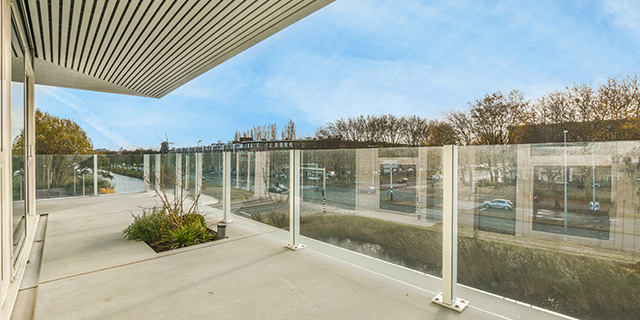
  • Aesthetic Appeal: Glass railings provide a sleek, contemporary look that enhances the overall design of a home. Their transparency allows for unobstructed views, making spaces feel more open and connected to the surrounding environment.
  • Maximized Views: One of the most significant advantages of glass railings is their ability to offer clear, uninterrupted views. This is especially beneficial for homes with scenic surroundings, such as ocean views, mountains, or cityscapes.
  • Increased Natural Light: Glass railings allow natural light to pass through, brightening rooms and reducing the need for artificial lighting during the day. This can contribute to a more cheerful and welcoming atmosphere in the home.
  • Safety and Durability: Made from tempered or laminated safety glass, these railing systems are strong and durable, offering excellent safety features. They are designed to withstand impacts and are resistant to shattering, making them a safe option for families with children or pets.
  • Low Maintenance: Glass railings are relatively easy to maintain. Regular cleaning with glass cleaner and a soft cloth is usually sufficient to keep them looking new. Unlike wood, they do not require staining or sealing to protect against weathering.
  • Versatility: Glass railing systems can be customized to fit a variety of design styles and spaces, whether indoors or outdoors. They can be used in staircases, balconies, decks, and patios.
  • Increased Property Value: Installing glass railings can enhance the aesthetic appeal and modernity of a home, potentially increasing its market value. Prospective buyers often appreciate the modern look and the additional safety features these systems provide.

Overall, residential glass railing systems combine functionality, safety, and style, making them a valuable addition to any home looking to embrace a modern aesthetic while maximizing views and natural light.
><p>When to use residential glass railing systems</p>

When to use residential glass railing systems

Residential glass railing systems are ideal for use in various situations where both aesthetics and functionality are important. Here are some scenarios when you might consider using them:

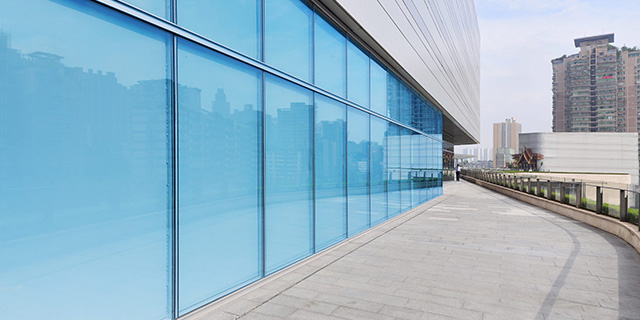
  • Enhancing Views: If your property has a scenic view, such as a waterfront, mountains, or a beautiful garden, glass railings are perfect for maximizing visibility while ensuring safety. They provide an unobstructed view, allowing you to enjoy the surroundings without visual barriers.
  • Modern Aesthetic Appeal: Glass railings offer a sleek, modern look that can complement contemporary architectural styles. They can add an element of elegance and sophistication to your home, whether used indoors or outdoors.
  • Safety and Durability: Made from tempered or laminated glass, these railings are robust and can withstand harsh weather conditions. They provide a safe barrier without compromising on style.
  • Open Space Illusion: In smaller spaces, glass railings can create the illusion of more space by allowing light to pass through and reducing visual clutter. This makes them an excellent choice for balconies or patios where maximizing space is a priority.
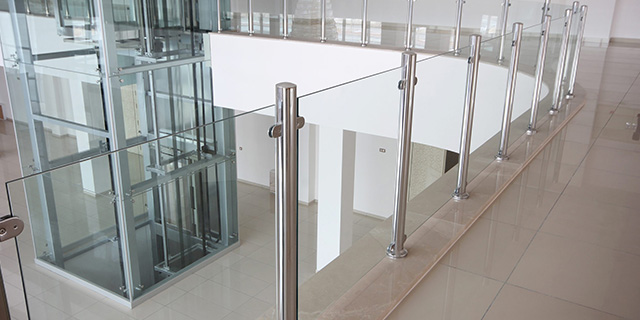
  • Indoor Applications: Inside the home, glass railings can be used for staircases, lofts, or mezzanines. They help in maintaining an open feel throughout the space while providing necessary safety.
  • Low Maintenance: Glass railings are relatively easy to clean and maintain compared to traditional materials like wood, which can require regular painting or staining.

In summary, residential glass railing systems are versatile and can be used in a variety of applications to enhance both the function and aesthetic of a home. They are particularly valuable in settings where maintaining a view and a modern design is important.
><p>Step-by-Step DIY vs. Professional Installation of residential glass railing systems</p>

Step-by-Step DIY vs. Professional Installation of residential glass railing systems

When considering the installation of residential glass railing systems, homeowners often face the choice between a DIY approach and hiring professional services. Both options have their advantages and disadvantages, which are important to understand before making a decision.

DIY Installation

1. Cost-Effective:

- Pros: DIY installation can be more cost-effective as you save on labor costs. If you have the necessary tools and skills, it can be a budget-friendly option.

- Cons: Mistakes can lead to additional expenses, potentially surpassing the cost of professional installation.

2. Flexibility and Control:

- Pros: You have full control over the timing and pace of your project. You can work at your own speed and make on-the-fly adjustments as needed.

- Cons: Lack of experience may lead to errors that compromise the safety and aesthetics of your railing system.

3. Skill and Tools Required:

- Pros: If you are handy and have prior experience with similar projects, DIY can be a viable option.

- Cons: Specialized tools and knowledge are required to ensure proper installation, which might involve a learning curve.

Professional Installation

1. Expertise and Quality Assurance:

- Pros: Professionals bring expertise and experience, ensuring the installation meets safety standards and looks aesthetically pleasing.

- Cons: Higher upfront costs due to labor and service charges.

2. Warranty and Support:

- Pros: Many professional services offer warranties on their work, providing peace of mind and future support in case of issues.

- Cons: Reliance on the availability and schedule of the service provider can delay the project.

3. Efficient and Timely Completion:

- Pros: Professionals can complete the installation efficiently and within a specified timeframe, reducing disruption in your living space.

- Cons: Less flexibility in terms of customization during the installation process.

Conclusion

Choosing between DIY and professional installation depends largely on your personal skills, budget, and the complexity of your project. If you are confident in your DIY abilities and have the necessary tools, you may opt for a DIY approach to save costs. However, if you prioritize quality, safety, and long-term reliability, a professional installation may be the better choice, offering expertise and peace of mind. Consider evaluating your personal situation, including time constraints, budget, and the importance of aesthetic and safety standards, before making a decision.
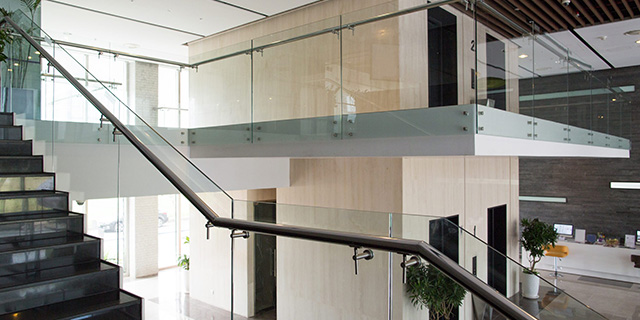
><p>Maintenance Checklist: How to Keep Your residential glass railing systems Crystal-Clear</p>

Maintenance Checklist: How to Keep Your residential glass railing systems Crystal-Clear

To maintain the pristine appearance and safety of residential glass railing systems, regular maintenance is essential. Here is a comprehensive checklist to ensure your glass railings remain crystal-clear and in top condition:

  • Regular Cleaning:

- Use a soft cloth or sponge with a mixture of warm water and mild dish soap to gently clean the glass surface. Avoid abrasive cleaners that can scratch the glass.

- Rinse thoroughly with clean water to remove any soap residue and prevent streaks.

- For a sparkling finish, use a glass cleaner or a solution of vinegar and water, wiping with a lint-free cloth.

  • Inspect for Damage:

- Regularly check for any chips, cracks, or scratches on the glass panels. Even minor damage can weaken the glass and should be addressed promptly.

- Inspect the metal or wooden framework for signs of rust, corrosion, or rot, and treat or replace as necessary.

  • Check and Tighten Fittings:

- Periodically check the brackets, screws, and fittings that hold the glass panels in place. Tighten any loose components to ensure the railing's stability and safety.

  • Maintain Metal Components:

- If your railing system includes metal parts, clean them with a damp cloth and dry thoroughly to prevent rust.

- Apply a protective coating or sealant to metal surfaces to enhance durability and appearance.

  • Monitor for Environmental Effects:

- Be aware of environmental factors such as saltwater or high humidity that can affect the longevity of your railing system. Consider additional protective measures if your home is in such conditions.

  • Professional Inspection:

- Schedule a professional inspection every few years to ensure that the glass and structural components meet safety standards.

By following these maintenance steps, you can keep your residential glass railing systems not only visually appealing but also safe and functional for many years. Regular upkeep will also enhance the durability of your investment, ensuring that it continues to provide elegance and security to your home.
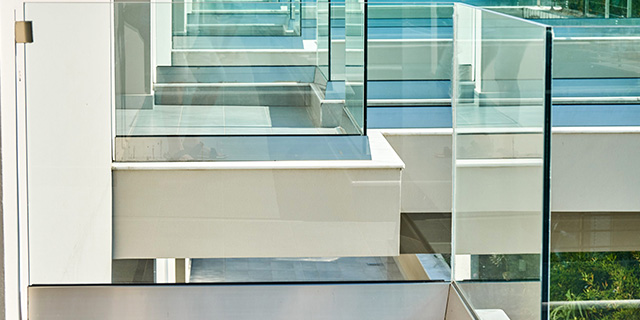
><p>Common Mistakes to Avoid When Choosing or Installing residential glass railing systems</p>

Common Mistakes to Avoid When Choosing or Installing residential glass railing systems

When selecting or installing residential glass railing systems, there are several common mistakes that homeowners and contractors should avoid to ensure the safety, durability, and aesthetic appeal of the installation.

  • Ignoring Building Codes and Regulations: One of the most critical mistakes is failing to adhere to local building codes and regulations. These codes are in place to ensure safety and structural integrity. Before installation, check with local authorities to understand the specific requirements, such as height restrictions and load-bearing capacities.
  • Choosing the Wrong Glass Type: Not all glass is created equal. For railings, it's crucial to select tempered or laminated safety glass, which is designed to handle impacts and pressure. Using standard glass can lead to breakage and potential safety hazards.
  • Improper Measurements: Accurate measurements are essential for a successful installation. Miscalculations can result in gaps, instability, and even the need for costly rework. Always double-check dimensions and consider consulting with a professional to ensure precision.
  • Neglecting Structural Support: Glass railings require robust support to maintain stability. Failing to secure the railing system properly or using inadequate hardware can compromise the entire structure. Ensure that all posts, anchors, and brackets are appropriately installed and tested for strength.
  • Overlooking Maintenance Needs: While glass railings are low maintenance compared to other materials, they still require regular cleaning and inspections. Ignoring this can lead to the buildup of grime, scratches, or even structural issues over time. Use appropriate cleaning solutions and check for any signs of wear.
  • Underestimating Environmental Factors: Consider the environmental conditions where the railing will be installed. For outdoor applications, factors like wind load, exposure to sunlight, and temperature fluctuations can affect the choice of materials and the installation process.
  • Compromising on Aesthetics for Cost: While budget is always a consideration, choosing cheaper materials or cutting corners on design can detract from the overall look of your home. Invest in high-quality materials and skilled craftsmanship to achieve a balance between functionality and aesthetics.

By avoiding these common pitfalls, you can ensure that your residential glass railing system is not only safe and functional but also enhances the visual appeal of your home.

About Us
About Us
Toronto Architectural Glass Solutions (TAGSi) fabricates and installs custom safety-glass systems—frameless railings, glass walls, shower enclosures, storefront glazing, and mirrors—across the GTA. All units are laser-measured and CNC-cut from CSA-approved tempered / laminated glass, then fitted with rust-proof hardware by licensed crews. Compared with off-the-shelf kits, TAGSi offers millimetre-level precision, end-to-end project handling, and long-life safety performance, giving homes and businesses a sleek, code-compliant finish with maximum natural light.
FAQ
What is a glass railing?
A glass railing is a guardrail system that uses tempered or laminated safety‑glass panels secured with metal or aluminum hardware to provide fall protection on stairs, balconies, and decks while preserving open views.
Are glass railings safe?
Yes. Modern glass railings use CSA/ANSI‑certified tempered or laminated glass—4‑5 × stronger than regular glass—paired with stainless‑steel or anodized‑aluminum posts and top rails to meet Canadian building‑code load requirements.
Are glass railings suitable for outdoor use?
Absolutely. Outdoor systems typically use 12 mm laminated safety glass and 316‑grade stainless‑steel fittings that resist temperature swings, UV exposure, and salt spray.
Do glass railings require drilling into the floor slab?
It depends on the mounting style. Top‑mounted base shoes anchor with expansion bolts into concrete or steel; side‑mounted brackets attach to the fascia, freeing up deck space.
Is maintenance difficult?
Maintenance is minimal—wipe the glass periodically with a soft cloth and mild cleaner; check and tighten hardware once a year.
What glass thickness is commonly used?
Indoors: 10 mm tempered or 6+6 mm laminated panels. Outdoor balconies: 12 mm tempered or 8+8 mm laminated for higher wind and load resistance.
Will the glass edges cut hands?
No. All custom panels are CNC‑cut and polished with rounded edges, leaving a smooth, safe touch surface.
Do glass railings need a separate handrail?
If the glass is captured by a continuous top shoe, it can serve as the handrail, but commercial codes often still require a stainless or aluminum graspable rail for added safety.
How well do glass railings reduce noise?
Laminated glass provides 34–38 dB of sound reduction, outperforming typical metal picket railings.
Can you fabricate curved or custom shapes?
Yes. We can produce curved glass through heat‑bending or assemble multi‑panel segments to achieve arcs, trapezoids, and other bespoke geometries.
Will glass railings collect water or mold?
Side‑mount brackets include drain slots, and EPDM gaskets seal the glass–metal interface to keep moisture out and prevent mildew.
Can the glass surface be frosted or patterned?
Options include acid‑etching, silk‑screen printing, or decorative films to add privacy or design elements while maintaining light transmission.
How long does installation take?
After onsite measurement, fabrication takes 7–10 business days, and installation is typically completed within 1–2 days with minimal disruption.
How much do glass railings cost?
Pricing is based on glass thickness, total linear footage, hardware selection, and installation complexity, and is usually quoted per linear metre.
What happens if the glass breaks?
Tempered glass shatters into small, blunt pieces to reduce injury risk; laminated glass stays bonded to the interlayer, maintaining a temporary barrier until replacement within 24 h.
Do you provide a warranty?
Reputable installers offer a 5‑year warranty on glass and a 3‑year warranty on hardware and workmanship for peace of mind.