
<p>Tempered Glass Railing: Stylish and Secure Solutions</p>

Tempered glass railing
><p>What is tempered glass railing</p>

What is tempered glass railing

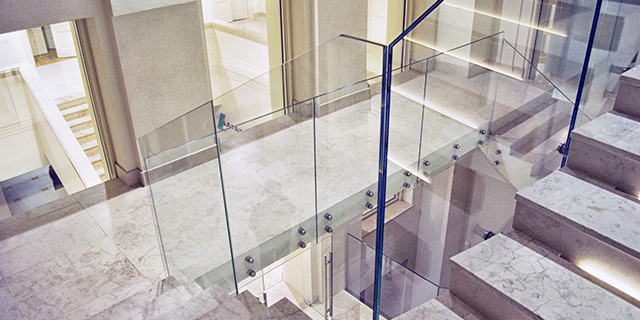
Tempered glass railing is a modern and sophisticated type of railing system that uses tempered glass panels as the primary barrier or infill. Tempered glass, also known as toughened glass, is a type of safety glass that is processed by controlled thermal or chemical treatments to increase its strength compared to normal glass. The tempering process creates balanced internal stresses, making it much stronger and more resistant to impact.

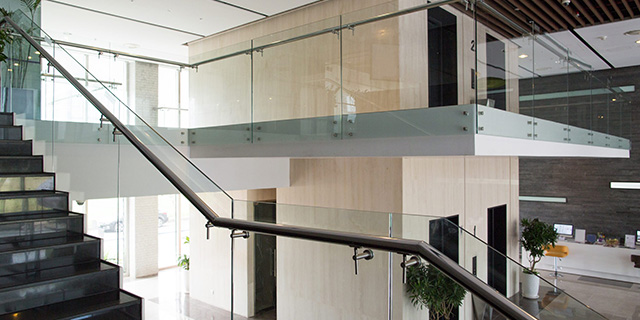
Tempered glass railings are popular in both residential and commercial settings due to their sleek and contemporary appearance. They provide an unobstructed view, making spaces look larger and more open, and are commonly used in places like balconies, staircases, and decks. The transparency of the glass allows for more natural light to pass through, enhancing the brightness of a space. Additionally, for safety and aesthetics, these railings often include stainless steel or aluminum frames and handrails.

One of the key benefits of tempered glass railings is safety. In the unlikely event that they break, tempered glass shatters into small, blunt pieces that are less likely to cause injury, unlike traditional glass, which can break into sharp shards. Moreover, these railings are not only durable but also easy to maintain, requiring just routine cleaning to keep them looking pristine.

Overall, tempered glass railings combine functionality with modern design, making them a preferred choice for many architects and homeowners seeking to enhance both the safety and aesthetic appeal of a property.
><p>Advantage of tempered glass railing</p>

Advantage of tempered glass railing

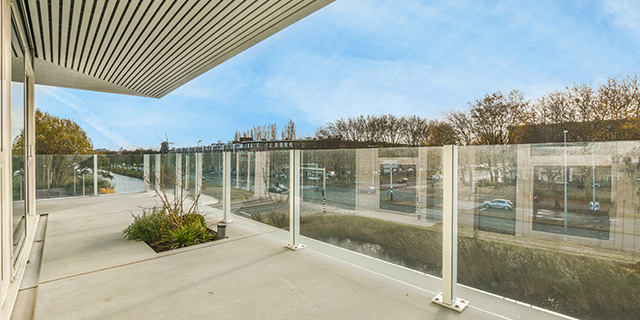
Tempered glass railings offer several advantages that make them an attractive choice for both residential and commercial properties.

Firstly, safety is a significant benefit. Tempered glass is known for its strength and durability. It is up to four to five times stronger than regular glass, making it resistant to impact and less likely to break. In the rare event that it does break, it shatters into small, blunt pieces that reduce the risk of injury.

Secondly, tempered glass railings provide an unobstructed view. Whether installed indoors or outdoors, they allow for clear visibility, enhancing the aesthetic appeal of a space by creating a seamless connection between different areas. This feature is particularly beneficial for locations with scenic views, such as balconies, decks, or staircases.

Another advantage is low maintenance. Unlike metal or wood railings that may require regular upkeep to prevent rust or rot, tempered glass railings are easy to clean and maintain. They do not corrode or deteriorate over time, which makes them a cost-effective option in the long run.

Additionally, tempered glass railings add a modern and sleek design to any property. They complement a wide range of architectural styles and can make spaces appear larger and more open. This versatility allows them to blend seamlessly with various design elements.

Lastly, tempered glass is often coated with UV protection, which helps in reducing fading of interiors and provides some degree of energy efficiency by filtering the sunlight.

Overall, the combination of safety, aesthetic appeal, low maintenance, and design versatility makes tempered glass railings a popular choice for many homeowners and architects.
><p>When to use tempered glass railing</p>

When to use tempered glass railing

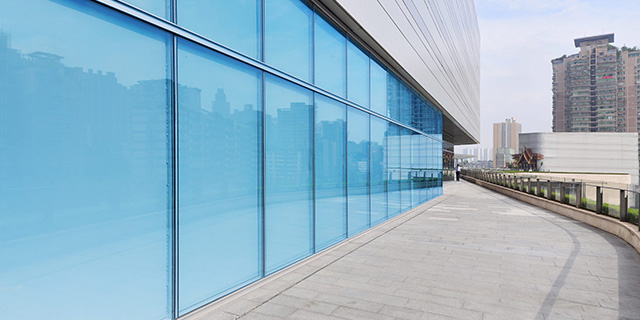
Tempered glass railings are an excellent choice for both residential and commercial environments where safety, aesthetics, and functionality are key considerations. Here are several scenarios when using tempered glass railings is highly beneficial:

  • Safety Requirements: Tempered glass is significantly stronger than standard glass, which makes it an ideal choice for railings where safety is a priority. It is designed to shatter into small, blunt pieces rather than sharp shards, reducing the risk of injury if the glass breaks.
  • Unobstructed Views: If you have a scenic view that you don't want to block, such as a beachfront, mountains, or cityscape, tempered glass railings provide a clear, unobstructed view. This makes them popular in outdoor settings like balconies, decks, and terraces.
  • Modern Aesthetic Appeal: For those seeking a sleek, modern look, tempered glass railings offer a contemporary aesthetic that complements minimalist designs. They can be paired with various materials like stainless steel and wood to fit diverse architectural styles.
  • Durability and Weather Resistance: Tempered glass is highly resistant to weather changes, making it suitable for outdoor use. It can withstand high winds, rain, and even exposure to sunlight without losing clarity or structural integrity.
  • Low Maintenance: Unlike traditional materials such as wood, which require regular upkeep to prevent decay and maintain appearance, tempered glass requires minimal maintenance. It is easy to clean with standard glass cleaners, making it a practical option for busy environments.
  • Building Code Compliance: In many regions, building codes may require the use of safety glass in certain applications, such as railings and balustrades. Tempered glass often meets or exceeds these safety standards, ensuring compliance with local regulations.

In summary, tempered glass railings are suitable for environments where safety, aesthetics, and practicality are essential. They are particularly advantageous in areas requiring clear views, modern design elements, and low maintenance, making them a versatile choice for a variety of settings.
><p>Step-by-Step DIY vs. Professional Installation of tempered glass railing</p>

Step-by-Step DIY vs. Professional Installation of tempered glass railing

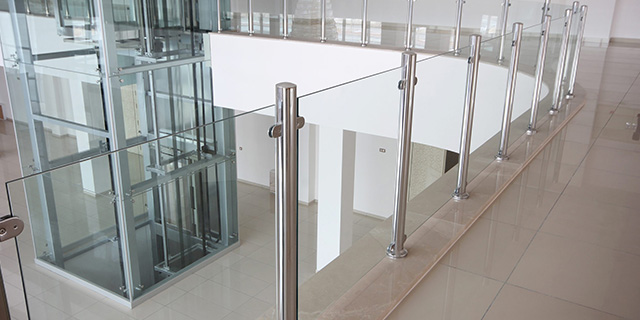
When considering the installation of tempered glass railings, one faces the choice between undertaking a DIY project or hiring professional installers. Each option has its own set of advantages and challenges. Here's a detailed comparison to help you make an informed decision:

DIY Installation of Tempered Glass Railing

Pros:

  • Cost Savings: By installing the railing yourself, you can save on labor costs, which can be a significant portion of the total expense.
  • Satisfaction and Customization: Completing a project on your own can be highly rewarding and allows for customization according to your specific preferences.
  • Flexibility: You can work on the project at your own pace without being tied to an installer’s schedule.

Cons:

  • Skill Requirement: Installing tempered glass requires precise measurements and handling skills. Any mistake can lead to costly glass replacements.
  • Tools and Equipment: You may need to purchase or rent specialized tools which can add to the initial cost.
  • Safety Concerns: Handling large glass panels can be dangerous without proper safety gear and experience.

Step-by-Step DIY Guide:

  • Planning and Measurement: Start by measuring the area where the railing will be installed. Ensure you account for any angles or curves.
  • Purchase Materials: Buy the tempered glass panels, mounting hardware, and any additional materials required based on your measurements.
  • Preparation: Clear the workspace and ensure all tools and materials are ready.
  • Installation: Begin by installing the posts or mounts securely, then carefully place the glass panels, ensuring they are level and securely fastened.
  • Finishing Touches: Check all fastenings and make sure the railing is secure and safe for use.

Professional Installation of Tempered Glass Railing

Pros:

  • Expertise and Experience: Professionals bring years of experience and knowledge, reducing the risk of errors.
  • Quality Assurance: They often provide warranties on their work, giving you peace of mind.
  • Safety: Professionals are equipped with the necessary safety gear and know how to handle glass safely.

Cons:

  • Higher Cost: Professional installation can be more expensive due to labor charges.
  • Scheduling: You are dependent on the installer’s availability, which might delay the project.

Process Overview:

  • Consultation and Quotation: The process begins with a consultation where the professionals assess the site and provide a quote.
  • Customization and Planning: They will work on a plan tailored to your space and preferences.
  • Installation: A team will handle the installation, ensuring precision and safety throughout the process.
  • Inspection and Handover: After completion, a final inspection ensures everything is up to standard before the project is handed over.

In conclusion, choosing between DIY and professional installation depends largely on your budget, skill level, and time availability. If you have the expertise and time, a DIY project can be rewarding. However, for those looking for a hassle-free and guaranteed result, hiring professionals is often the best choice.
><p>Maintenance Checklist: How to Keep Your tempered glass railing Crystal-Clear</p>

Maintenance Checklist: How to Keep Your tempered glass railing Crystal-Clear

To ensure your tempered glass railing remains crystal-clear and in top condition, regular maintenance is essential. Here's a comprehensive checklist to guide you:

  • Regular Cleaning: Use a soft, non-abrasive cloth and a mixture of warm water and mild dish soap. Avoid harsh chemicals or abrasive cleaners that might scratch the glass.
  • Rinse Thoroughly: After washing, rinse the glass with clean water to remove any soap residue, which can cause streaks or attract dirt.
  • Dry Properly: Use a microfiber cloth to dry the glass, as it prevents water spots and streaks. Ensure the cloth is clean to avoid transferring dirt or oils onto the glass surface.
  • Inspect for Damage: Regularly check the glass for any chips or cracks, as these can compromise the integrity of the railing. If damage is found, consult a professional for repairs.
  • Check Hardware: Inspect the railings' hardware, such as brackets and screws, for signs of wear or rust. Tighten any loose screws and replace any corroded parts to maintain stability.
  • Avoid Impact: While tempered glass is strong, it's not indestructible. Avoid hitting the glass with hard objects or applying excessive force.
  • Protect from Extreme Weather: If your glass railing is outdoors, consider using protective covers during extreme weather conditions, such as hailstorms, to prevent damage.
  • Remove Hard Water Stains: For stubborn stains, use a vinegar-water solution to gently clean the affected area. Apply the solution with a soft cloth, let it sit for a few minutes, and rinse thoroughly.
  • Routine Professional Maintenance: Schedule regular professional inspections to ensure the structural integrity and safety of your railing over time.

By following this maintenance checklist, your tempered glass railing will not only stay crystal-clear but also remain safe and durable for years to come.
><p>Common Mistakes to Avoid When Choosing or Installing tempered glass railing</p>

Common Mistakes to Avoid When Choosing or Installing tempered glass railing

When choosing or installing tempered glass railing, there are several common mistakes that should be avoided to ensure safety, durability, and aesthetic appeal. Understanding these pitfalls can help you make informed decisions and achieve the best results for your project.

  • Ignoring Building Codes and Regulations: One of the most serious mistakes is not adhering to local building codes and regulations. Every region has specific requirements for the installation of glass railings, including height, glass thickness, and load-bearing specifications. Failing to comply can lead to unsafe installations and potential legal issues.
  • Using Improper Glass Thickness: Tempered glass comes in various thicknesses, and selecting the wrong thickness can compromise the safety and effectiveness of the railing. It’s important to choose a thickness that can withstand pressure and impacts, typically ranging from 10mm to 19mm depending on the application and location.
  • Poor Quality Materials: Opting for cheaper, lower-quality materials can lead to premature wear and increased maintenance costs. Using high-quality tempered glass and corrosion-resistant fittings ensures longevity and reduces the risk of accidents.
  • Inaccurate Measurements: Precision is key when installing glass railings. Incorrect measurements can lead to gaps, misalignments, and structural instability. It is crucial to measure accurately and double-check all dimensions before cutting and installing the glass.
  • Neglecting Professional Installation: While DIY projects can be appealing, installing tempered glass railings requires specialized skills and tools. Hiring a professional ensures that the installation is done correctly, safely, and in compliance with all relevant standards.
  • Overlooking Maintenance Needs: Maintenance is often overlooked but crucial for the longevity of tempered glass railings. Regular cleaning and inspection for chips or cracks can prevent small issues from becoming major problems.
  • Ignoring Environmental Factors: Environmental conditions such as wind loads, temperature fluctuations, and proximity to saltwater can affect the performance of glass railings. Considering these factors during the selection process can help in choosing the appropriate type of glass and fittings.

By avoiding these common mistakes, you can ensure a secure, attractive, and durable tempered glass railing installation that enhances the value and safety of your property.
About Us
About Us
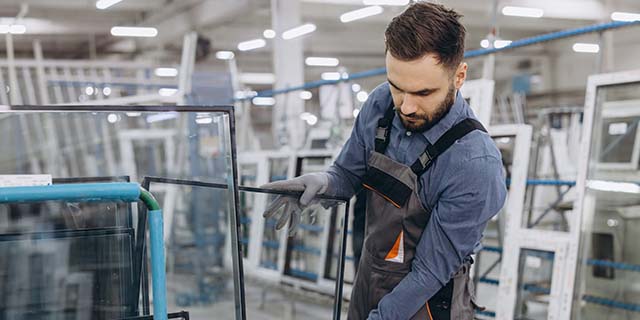
Toronto Architectural Glass Solutions (TAGSi) fabricates and installs custom safety-glass systems—frameless railings, glass walls, shower enclosures, storefront glazing, and mirrors—across the GTA. All units are laser-measured and CNC-cut from CSA-approved tempered / laminated glass, then fitted with rust-proof hardware by licensed crews. Compared with off-the-shelf kits, TAGSi offers millimetre-level precision, end-to-end project handling, and long-life safety performance, giving homes and businesses a sleek, code-compliant finish with maximum natural light.
FAQ
What is a glass railing?
A glass railing is a guardrail system that uses tempered or laminated safety‑glass panels secured with metal or aluminum hardware to provide fall protection on stairs, balconies, and decks while preserving open views.
Are glass railings safe?
Yes. Modern glass railings use CSA/ANSI‑certified tempered or laminated glass—4‑5 × stronger than regular glass—paired with stainless‑steel or anodized‑aluminum posts and top rails to meet Canadian building‑code load requirements.
Are glass railings suitable for outdoor use?
Absolutely. Outdoor systems typically use 12 mm laminated safety glass and 316‑grade stainless‑steel fittings that resist temperature swings, UV exposure, and salt spray.
Do glass railings require drilling into the floor slab?
It depends on the mounting style. Top‑mounted base shoes anchor with expansion bolts into concrete or steel; side‑mounted brackets attach to the fascia, freeing up deck space.
Is maintenance difficult?
Maintenance is minimal—wipe the glass periodically with a soft cloth and mild cleaner; check and tighten hardware once a year.
What glass thickness is commonly used?
Indoors: 10 mm tempered or 6+6 mm laminated panels. Outdoor balconies: 12 mm tempered or 8+8 mm laminated for higher wind and load resistance.
Will the glass edges cut hands?
No. All custom panels are CNC‑cut and polished with rounded edges, leaving a smooth, safe touch surface.
Do glass railings need a separate handrail?
If the glass is captured by a continuous top shoe, it can serve as the handrail, but commercial codes often still require a stainless or aluminum graspable rail for added safety.
How well do glass railings reduce noise?
Laminated glass provides 34–38 dB of sound reduction, outperforming typical metal picket railings.
Can you fabricate curved or custom shapes?
Yes. We can produce curved glass through heat‑bending or assemble multi‑panel segments to achieve arcs, trapezoids, and other bespoke geometries.
Will glass railings collect water or mold?
Side‑mount brackets include drain slots, and EPDM gaskets seal the glass–metal interface to keep moisture out and prevent mildew.
Can the glass surface be frosted or patterned?
Options include acid‑etching, silk‑screen printing, or decorative films to add privacy or design elements while maintaining light transmission.
How long does installation take?
After onsite measurement, fabrication takes 7–10 business days, and installation is typically completed within 1–2 days with minimal disruption.
How much do glass railings cost?
Pricing is based on glass thickness, total linear footage, hardware selection, and installation complexity, and is usually quoted per linear metre.
What happens if the glass breaks?
Tempered glass shatters into small, blunt pieces to reduce injury risk; laminated glass stays bonded to the interlayer, maintaining a temporary barrier until replacement within 24 h.
Do you provide a warranty?
Reputable installers offer a 5‑year warranty on glass and a 3‑year warranty on hardware and workmanship for peace of mind.